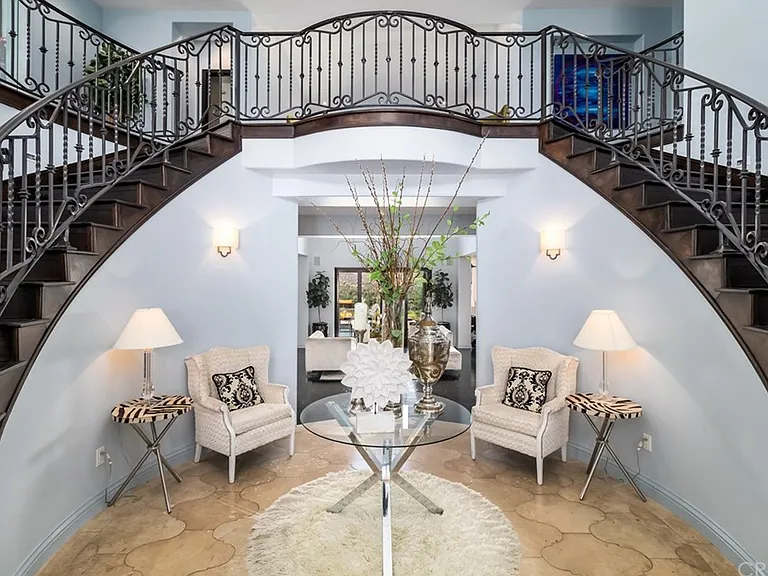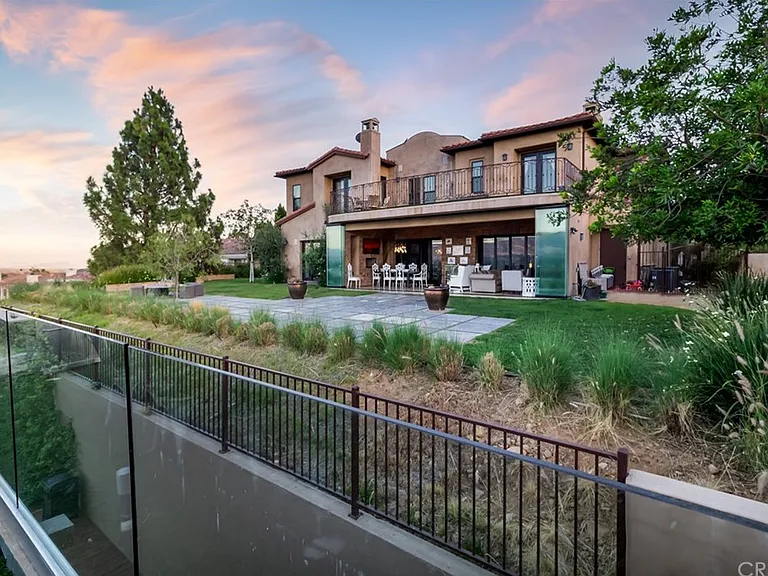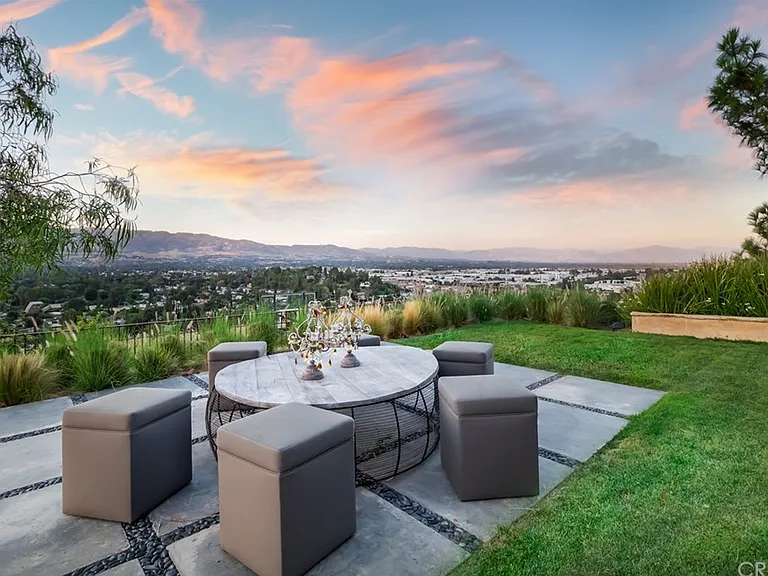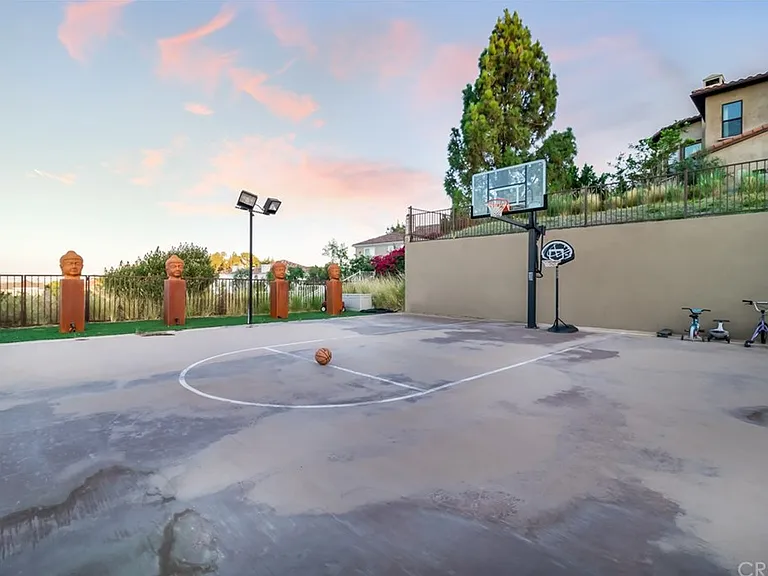
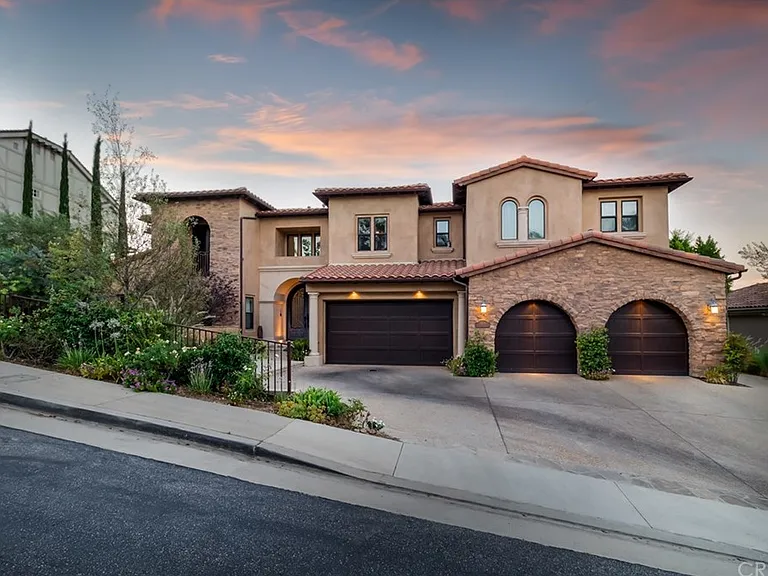
The Chatsworth mansion associated with Tisha Campbell and Duane Martin had a striking entrance, hillside views, and a much more complicated ownership history than a typical celebrity listing. It sold for $2.45 million in 2019. Will Smith’s connection to the story was financing through a company associated with him—a distinction worth making before the famous names overshadow the property.
A house with more than one chapter
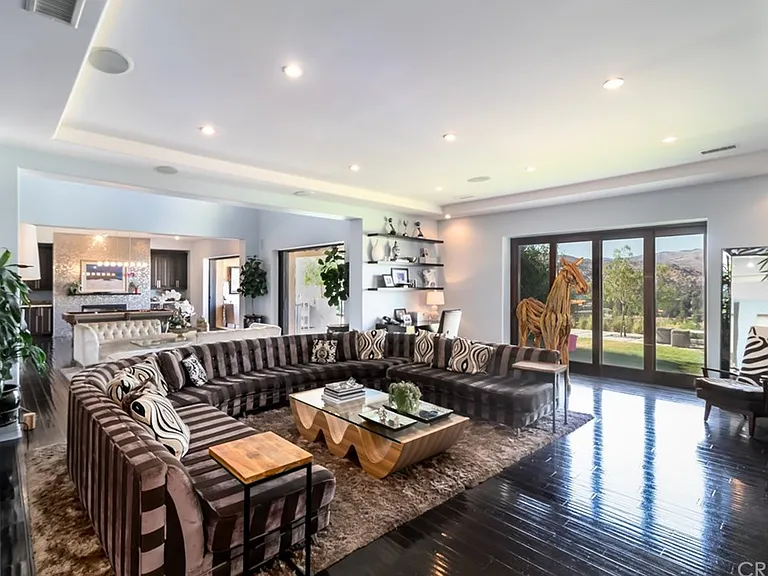
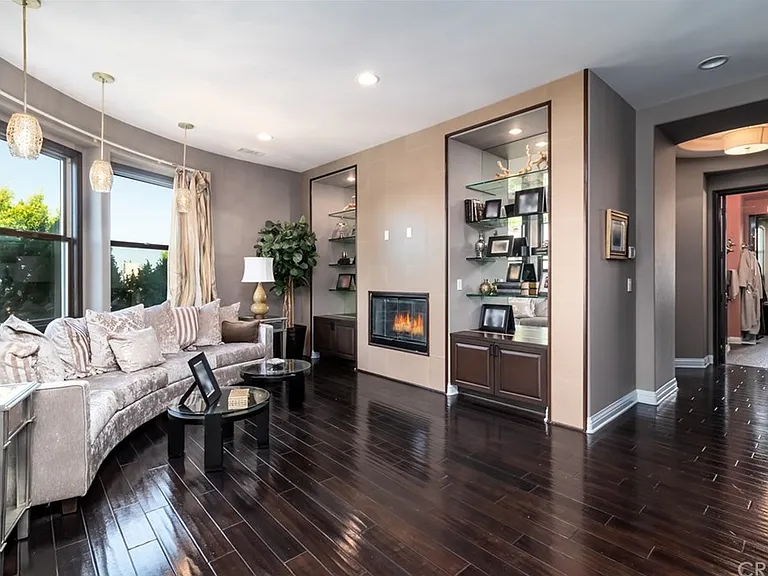
The photos show curved staircases, large living spaces, terraces, and a recreation court overlooking the surrounding valley. These are the details that sell a lifestyle. The transaction history, however, turns the story toward title, lending, and the eventual agreement that allowed the home to be sold.
A June 2019 bankruptcy court hearing calendar summarizes the trustee’s account of a 2006 purchase, subsequent renovation financing, and a 2012 transfer to Roxe LLC. It also identifies a secured note from TB Properties, described in the document as Will Smith’s company. The document recounts disputed claims in litigation; it is not a verdict establishing every allegation.
Financing is different from owning
Smith’s name entered the real-estate story through the financing arrangement. A company lending money against a house does not, by that fact alone, own the house. Keeping lender, title holder, resident, and beneficiary separate is essential to understanding a transaction like this.
The settlement that allowed a sale
A May 2021 court hearing calendar explains that the parties settled the ownership litigation rather than obtaining a decision on its merits. Under the compromise, the trustee would sell the property, with 74% of net proceeds allocated to the estate and 26% to a separate distribution associated with Michael Martin. Those percentages describe net proceeds, not slices of the gross purchase price.
A later property-history summary records the $2.45 million sale in 2019. The central point is the path to that transaction: an agreement created a way to sell the home without a trial deciding the underlying ownership dispute. The property’s glamour and the paperwork belong to the same story, but neither should be used to invent a conclusion the court did not make.
Inside the home: A photo tour